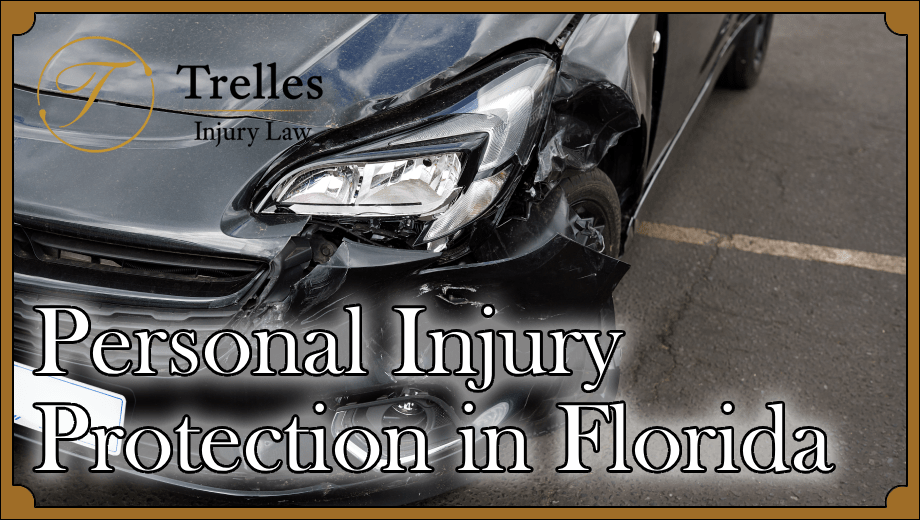
Personal injury protection is a required part of auto insurance for drivers in Florida. This coverage is part of the state’s no-fault insurance system and is designed to help pay certain medical expenses and lost wages after a car accident, regardless of who caused the crash. While many drivers carry this coverage, few fully understand how it works or what it actually pays. Learning how personal injury protection operates can help Florida residents better prepare for the financial impact of an accident.
How Personal Injury Protection Works in Florida
Personal injury protection, often called PIP, is intended to provide quick access to medical coverage after a motor vehicle accident. Instead of waiting for fault to be determined, injured drivers and passengers can use their own insurance to cover specific costs. Florida law requires most drivers to carry PIP coverage as part of their auto insurance policy.
Understanding how this system functions is essential for navigating the aftermath of an accident and knowing what benefits may be available.
Table of Contents
- What Happens Legally When You Are Hit By a Drunk Driver in Florida
- Who Is Liable After a DUI Accident
- Criminal Charges vs Civil Claims
- How Florida No-Fault Laws Apply
- Damages Available After Being Hit By a Drunk Driver
- Punitive Damages in DUI Accidents
- Can Bars or Restaurants Be Held Responsible
- What to Do Immediately After a DUI Crash
- Protecting Your Rights After a Drunk Driving Accident
- How Trelles Injury Law Can Help You
What Personal Injury Protection Covers
Personal injury protection is designed to help cover certain financial losses after a motor vehicle accident, regardless of who caused the crash. In Florida, this coverage is meant to provide quick access to benefits without requiring injured drivers to wait for a liability decision. PIP can apply to drivers, passengers, and, in some cases, pedestrians who are covered under the policy.
In general, PIP helps pay for a portion of medical bills and lost income after an accident. It may also provide limited death benefits in fatal cases. Because this coverage is tied to Florida’s no-fault system, its purpose is to offer immediate support for basic accident-related expenses rather than full compensation for every type of loss.
How Much PIP Coverage Florida Requires
Florida generally requires drivers to carry at least $10,000 in personal injury protection coverage. This minimum amount applies to most registered vehicles and is one of the key requirements of maintaining legal auto insurance in the state. Drivers are also typically required to carry property damage liability coverage in addition to PIP.
Although $10,000 may sound like substantial protection, serious injuries can quickly lead to expenses that exceed that amount. Emergency room treatment, imaging, follow-up care, and time away from work can add up fast. As a result, many accident victims are surprised to learn how limited their available benefits may be.
Knowing the minimum coverage requirement is important, but it is just as important to understand that required coverage does not always mean complete financial protection.

Medical Expenses Covered by PIP
PIP generally covers a portion of reasonable and necessary medical expenses related to a car accident. This may include emergency transportation, hospital visits, physician treatment, diagnostic testing, and follow-up care. However, the exact amount paid depends on the nature of the treatment and whether the expenses fall within the terms of the policy.
- Emergency room treatment after the crash
- Doctor visits and medical evaluations
- Diagnostic tests such as X-rays or imaging
- Follow-up treatment related to accident injuries
Florida law also includes timing requirements for seeking care. Delaying treatment may affect eligibility for certain benefits. Because of this, prompt medical attention is often important not only for health reasons but also for preserving access to coverage.
Lost Wages and Other Benefits
In addition to medical expenses, personal injury protection may also cover a portion of lost income if injuries prevent someone from working. This benefit can provide financial support during the early stages of recovery, especially when an accident causes temporary disability or missed time from a job.
PIP may also include limited replacement service benefits in some cases, depending on the policy and circumstances. These benefits are generally narrower than many people expect, and they do not fully replace all financial losses tied to an accident. In fatal accidents, a small death benefit may also be available.
Understanding these benefits helps drivers see that PIP is meant to provide partial relief, not full recovery for every economic loss after a crash.
Limitations of Personal Injury Protection
Although personal injury protection provides important early benefits after a crash, it also has several limitations. One of the most significant limitations is the relatively low coverage amount. With a typical $10,000 limit, medical expenses can exceed available benefits very quickly, especially when injuries require emergency treatment or ongoing care.
PIP also does not cover every type of loss that accident victims may experience. Pain and suffering, emotional distress, and other non-economic damages are not included within standard personal injury protection benefits. Because of these limitations, many injured drivers find that PIP alone does not fully address the financial impact of a serious accident.
Understanding these restrictions helps Florida drivers recognize that personal injury protection is only one piece of the overall insurance and legal landscape after a crash.
When You Can Step Outside the No-Fault System
Florida’s no-fault insurance system limits when accident victims can pursue claims directly against the at-fault driver. However, the law allows individuals to step outside the no-fault framework when certain injury thresholds are met. These thresholds generally involve serious or permanent injuries.
Examples may include significant and permanent loss of bodily function, permanent injury within a reasonable degree of medical probability, substantial scarring or disfigurement, or death. When injuries meet these legal standards, victims may pursue additional compensation from the responsible party.
Common Misunderstandings About PIP
Many Florida drivers assume that personal injury protection will cover all medical expenses after a crash, but this is a common misconception. PIP generally covers only a portion of certain costs and does not provide unlimited benefits. As a result, accident victims are sometimes surprised when medical bills exceed the available coverage.
Another misunderstanding is that fault never matters under Florida’s no-fault system. While PIP provides initial benefits regardless of fault, liability can still become important when injuries are severe or when additional damages are pursued outside the no-fault system.
Clarifying these misconceptions helps drivers make more informed decisions about their insurance coverage and their rights after an accident.
Protecting Your Rights After an Accident
After a car accident, understanding how personal injury protection works can help you take the right steps toward protecting your recovery. Seeking prompt medical care, documenting injuries, and keeping accurate records of treatment and expenses are all important actions during the early stages of a claim.
Accident victims may also face challenges when dealing with insurance companies or navigating the limitations of PIP benefits. Being informed about Florida’s insurance system and how claims are evaluated can make a significant difference in how a case progresses.
By understanding the role of PIP and the options available beyond basic coverage, Florida drivers can better protect their financial and legal interests after a motor vehicle accident.
How Trelles Injury Law Can Help You

- PIP Claim Assistance: Helping you properly file and manage your Personal Injury Protection claim after a car accident.
- Insurance Communication: Handling conversations with insurance companies to ensure your benefits are fairly evaluated.
- Coverage Review: Evaluating your PIP policy and available benefits to understand which expenses may be covered.
- Case Evaluation: Determining whether your injuries qualify to pursue compensation beyond Florida’s no-fault system.
- Claim Protection: Gathering documentation and medical records to support your recovery and protect your rights.
At Trelles Injury Law, we understand how confusing it can feel to navigate Florida’s Personal Injury Protection system after a car accident. Medical bills, missed work, and insurance paperwork can quickly become overwhelming. Understanding how your PIP benefits work is an important step toward protecting your recovery and making sure you receive the coverage available under Florida law.
Contact us today for a free consultation to discuss your situation, review your insurance coverage, and explore your legal options after an accident. Our team is here to help you navigate the process with clarity, professionalism, and care.

Fluent in both English and Spanish, Ms. Trelles has been representing the injured in Palm Beach County for more than 3 decades. She focuses her practice in all areas of personal injury, wrongful death, and premises liability. A native of Tampa, Florida and of Cuban descent, Ms. Trelles earned her Bachelor’s Degree from the University of Florida in 1988 and her Juris Doctorate Degree from the University of Florida College of Law in 1991. She was admitted to the Florida Bar in 1992 and is admitted to practice in the State Courts of Florida, U.S. District Court, and Northern and Middle Districts of Florida. Ms. Trelles has successfully tried numerous personal injury cases and has secured several multi-million dollar verdicts for her clients. Through years of experience, Ms. Trelles has become a powerful advocate for victims’ rights in Palm Beach County and throughout Florida. More about Yvette Trelles, Esq.
Related Post


Free Consultation Form
We have vast experience in every type of accident case.
Give Us the details, and we will tell you how we can help.