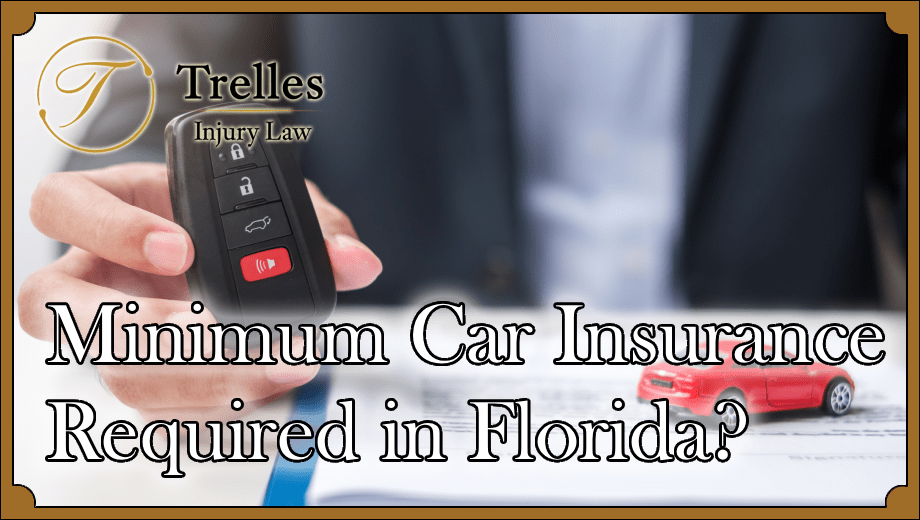
The minimum car insurance required in Florida is different from the requirements in many other states because Florida follows a no-fault insurance system. Drivers are generally required to carry specific types of coverage that help pay for injuries and property damage after an accident. Understanding these requirements can help motorists stay compliant with state law and make informed decisions about their insurance protection.
Understanding Florida’s Minimum Car Insurance Requirements
Florida law requires drivers to maintain certain minimum insurance coverages to legally operate a vehicle. While these minimums satisfy state requirements, they may not fully protect drivers from all potential financial risks after a serious accident. Knowing what is required and what additional coverage may be beneficial can help drivers better prepare for unexpected situations on the road.
Table of Contents
- Understanding Florida’s Minimum Car Insurance Requirements
- What Insurance Is Required in Florida
- Understanding Personal Injury Protection
- Understanding Property Damage Liability
- How Florida’s No-Fault System Works
- What the Minimum Requirements Do Not Cover
- Additional Coverage Options to Consider
- Penalties for Driving Without Insurance
- Why Understanding Your Coverage Matters
- How Trelles Injury Law Can Help You
What Insurance Is Required in Florida
Florida law requires most drivers to carry two types of insurance coverage: Personal Injury Protection (PIP) and Property Damage Liability (PDL). These coverages are intended to provide a basic level of financial protection after an accident and are required to register and operate a vehicle in the state.
Currently, Florida drivers must maintain at least $10,000 in Personal Injury Protection coverage and $10,000 in Property Damage Liability coverage. These minimum requirements help satisfy state law, but they may not be enough to fully protect drivers in more serious accidents.
Understanding the purpose of each required coverage can help drivers make informed decisions about their insurance needs.
Understanding Personal Injury Protection
Personal Injury Protection, often referred to as PIP, is a key part of Florida’s no-fault insurance system. PIP coverage generally helps pay for medical expenses and certain lost wages after an accident, regardless of who caused the crash.
- Medical expenses related to accident injuries
- A portion of lost income during recovery
- Certain replacement services when injuries prevent normal activities
- Limited death benefits in qualifying situations
PIP coverage is designed to provide quicker access to benefits without requiring a determination of fault. However, coverage limits may be reached quickly in more serious injury cases.

Understanding Property Damage Liability
Property Damage Liability coverage helps pay for damage a driver causes to another person’s property. This commonly includes damage to vehicles, buildings, fences, or other structures resulting from an accident.
Florida requires drivers to carry at least $10,000 in Property Damage Liability coverage. If damages exceed the available coverage, a driver may be personally responsible for the remaining costs. Because repair expenses can be significant, many drivers choose to purchase higher limits than the state minimum.
Understanding how Property Damage Liability works can help drivers better evaluate their overall insurance protection.
How Florida’s No-Fault System Works
Florida’s no-fault insurance system means that drivers generally turn to their own PIP coverage for medical expenses after an accident, regardless of who caused the collision. This approach is intended to reduce disputes over fault and allow injured individuals to receive benefits more quickly.
- Drivers typically use their own PIP coverage first
- Fault is not immediately required for basic injury benefits
- Certain serious injuries may allow claims against the at-fault driver
- PIP benefits are subject to policy limits and legal requirements
While the no-fault system provides important benefits, it does not prevent all injury claims against other drivers. Certain circumstances may allow individuals to pursue additional compensation beyond PIP coverage.
What the Minimum Requirements Do Not Cover
Although Florida’s minimum insurance requirements satisfy state law, they do not provide protection for every situation. The required coverages focus primarily on basic medical expenses and property damage, leaving potential coverage gaps for more serious accidents.
For example, the minimum requirements do not automatically provide coverage for damage to your own vehicle, comprehensive losses, or injuries that exceed available policy limits. In some cases, accident-related expenses may quickly surpass the required coverage amounts.
Understanding these limitations can help drivers evaluate whether additional insurance may be appropriate for their circumstances.
Additional Coverage Options to Consider
Many drivers choose to purchase coverage beyond Florida’s minimum requirements to provide greater financial protection. Additional coverage options may help address situations that are not fully covered by PIP and Property Damage Liability insurance.
Common optional coverages include collision coverage, comprehensive coverage, bodily injury liability coverage, uninsured motorist coverage, and higher liability limits. These options may provide valuable protection when accidents involve significant injuries, extensive property damage, or uninsured drivers.
While optional coverage increases insurance costs, it may also reduce financial protection risks after a serious accident.
Penalties for Driving Without Insurance
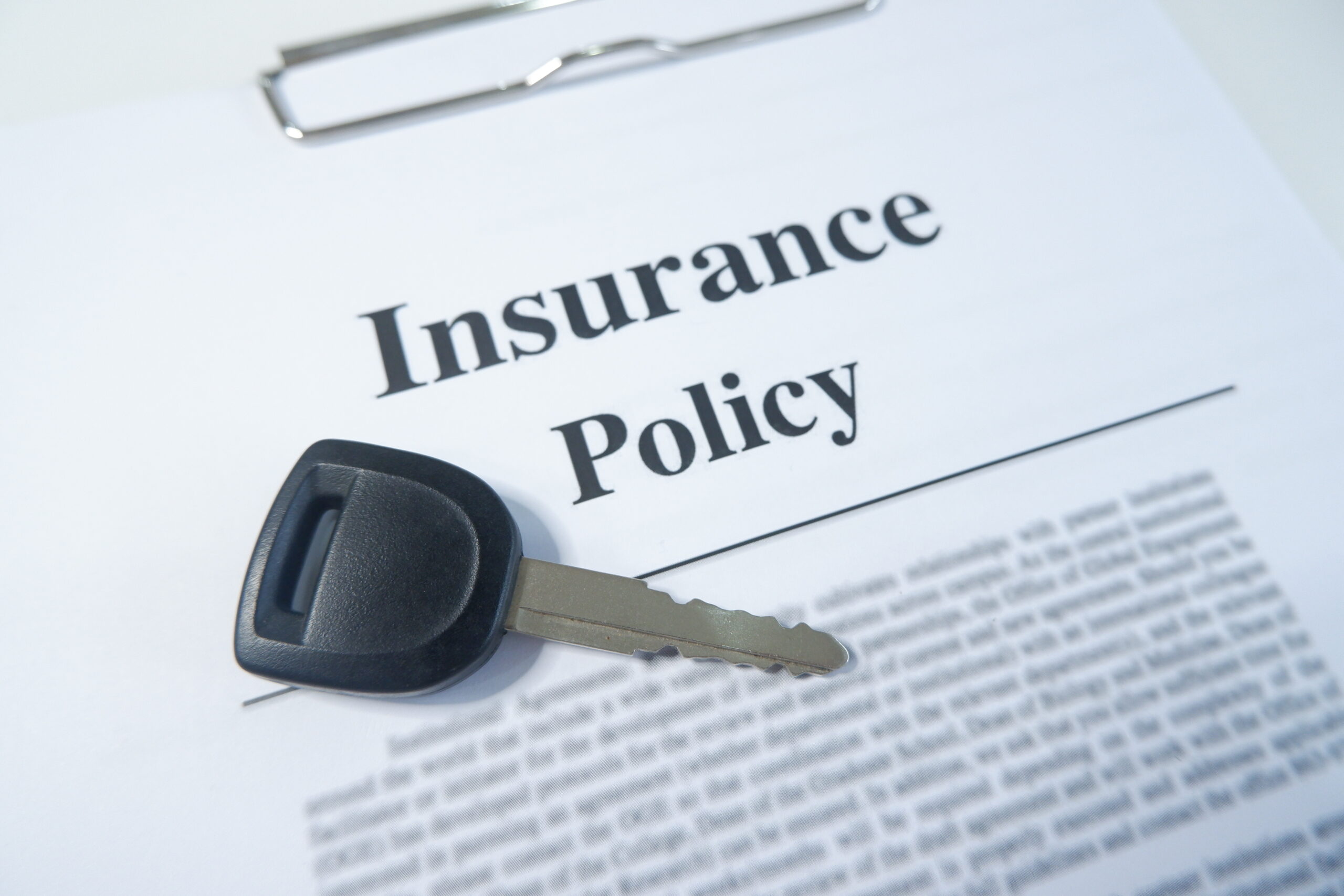
Florida takes insurance requirements seriously, and drivers who fail to maintain required coverage may face significant penalties. The state may suspend a driver’s license, vehicle registration, or both if proof of required insurance cannot be provided.
Reinstatement often requires payment of fees and proof that proper coverage has been obtained. Repeated violations may result in additional consequences and increased financial burdens. These penalties are intended to encourage compliance with Florida’s insurance laws.
Maintaining continuous coverage is generally the best way to avoid disruptions and potential legal consequences.
Why Understanding Your Coverage Matters
Understanding your insurance coverage is an important part of protecting yourself financially after an accident. While Florida’s minimum requirements provide a foundation of protection, every driver’s situation is different. The right level of coverage often depends on factors such as driving habits, assets, and personal risk tolerance.
Taking the time to review your policy can help you identify potential gaps and determine whether additional protection may be beneficial. Knowing what your policy covers before an accident occurs can make it easier to navigate the claims process if a collision happens.
By understanding Florida’s minimum insurance requirements and available coverage options, drivers can make more informed decisions about their financial protection on the road.
How Trelles Injury Law Can Help You

- Reviewing Your Coverage: Explaining how your insurance policy applies after an accident and identifying available benefits.
- Evaluating Your Claim: Determining whether your injuries may qualify for compensation beyond Florida’s no-fault system.
- Handling Insurance Companies: Communicating with insurers and protecting your interests throughout the claims process.
- Building a Strong Case: Gathering medical records, accident reports, and supporting evidence to strengthen your claim.
- Pursuing Fair Compensation: Working to recover damages that may exceed the minimum insurance coverage available.
At Trelles Injury Law, we understand how confusing Florida’s insurance requirements can be after a car accident. Knowing what your policy covers, how the no-fault system works, and when additional compensation may be available can make a significant difference in protecting your rights and financial recovery.
Contact us today for a free consultation to discuss your situation, review your insurance coverage, and explore your legal options after an accident. Our team is here to help you navigate the claims process with clarity, professionalism, and care while pursuing the compensation you deserve.

Fluent in both English and Spanish, Ms. Trelles has been representing the injured in Palm Beach County for more than 3 decades. She focuses her practice in all areas of personal injury, wrongful death, and premises liability. A native of Tampa, Florida and of Cuban descent, Ms. Trelles earned her Bachelor’s Degree from the University of Florida in 1988 and her Juris Doctorate Degree from the University of Florida College of Law in 1991. She was admitted to the Florida Bar in 1992 and is admitted to practice in the State Courts of Florida, U.S. District Court, and Northern and Middle Districts of Florida. Ms. Trelles has successfully tried numerous personal injury cases and has secured several multi-million dollar verdicts for her clients. Through years of experience, Ms. Trelles has become a powerful advocate for victims’ rights in Palm Beach County and throughout Florida. More about Yvette Trelles, Esq.
Related Post
Free Consultation Form
We have vast experience in every type of accident case.
Give Us the details, and we will tell you how we can help.