Florida comparative negligence plays a major role in how personal injury claims are evaluated and resolved. When more than one party shares responsibility for an accident, compensation may be reduced based on each person’s level of fault. Many Florida residents are surprised to learn that even a small percentage of responsibility can affect the outcome of an injury claim. Understanding how comparative negligence works is essential for protecting your rights and setting realistic expectations after an accident.
How Florida Comparative Negligence Affects Injury Claims
Florida comparative negligence laws determine how fault is divided when multiple parties contribute to an accident. Rather than barring recovery entirely, Florida allows injured individuals to pursue compensation even if they share some responsibility. However, the amount recovered may be reduced based on the percentage of fault assigned. Knowing how this system works can help injured victims avoid costly mistakes and better understand how insurance companies evaluate claims.
Table of Contents
- How Florida Comparative Negligence Affects Injury Claims
- What Is Florida Comparative Negligence
- How Fault Is Determined in Florida
- Common Examples of Comparative Negligence
- How Comparative Negligence Affects Compensation
- Insurance Companies and Comparative Negligence
- Evidence Used to Assign Fault
- Mistakes That Can Increase Your Fault
- Protecting Yourself Under Florida Comparative Negligence Laws
- How Trelles Injury Law Can Help You
What Is Florida Comparative Negligence
Florida comparative negligence is a legal principle that assigns fault when multiple parties contribute to an accident. Instead of placing all responsibility on a single person, Florida law allows fault to be divided based on each party’s actions. This approach recognizes that accidents often result from a combination of mistakes rather than one clear cause.
Under this system, an injured person can still pursue compensation even if they share responsibility for what happened. However, the total amount of compensation may be reduced based on their percentage of fault. Understanding shared responsibility is important because it directly affects how injury claims are evaluated and resolved.
Comparative negligence applies to many types of personal injury cases, including car accidents, slip-and-fall incidents, and other incidents in which multiple factors contribute to the injury.
How Fault Is Determined in Florida
Fault in a Florida personal injury case is determined by examining the actions of everyone involved before, during, and after the accident. Insurance companies, investigators, and, sometimes, courts review evidence to determine how each party’s behavior contributed to the incident.
- Police or incident reports describing what occurred
- Statements from drivers, property owners, or witnesses
- Photographs or video footage from the scene
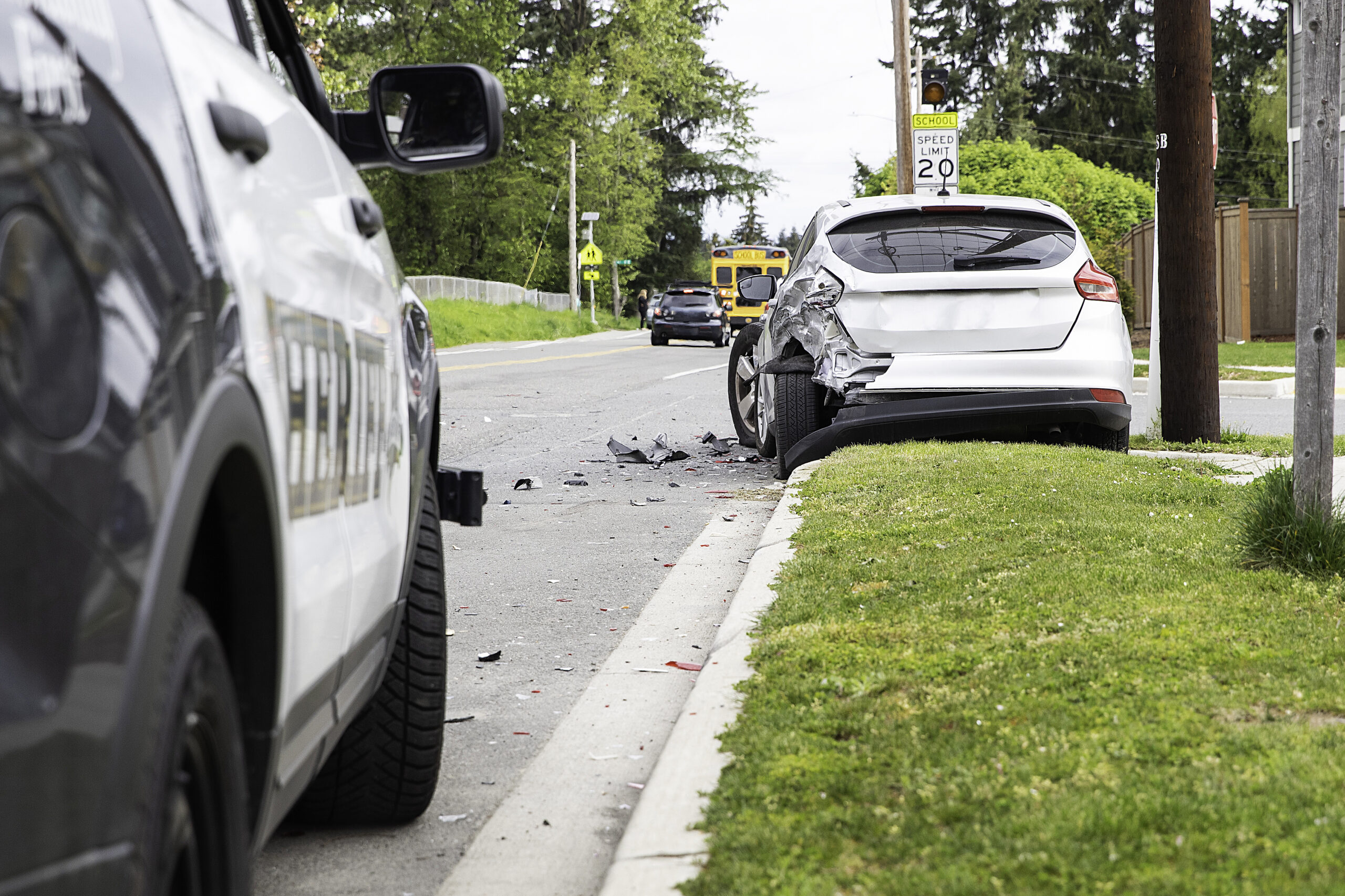
- Physical evidence, such as vehicle damage or hazardous conditions
No single factor determines fault in itself. Instead, all available information is considered together. Even small actions, such as speeding slightly or failing to notice a warning sign, can influence how fault percentages are assigned.

Common Examples of Comparative Negligence
Comparative negligence often arises in everyday accident scenarios. In a car accident, one driver may be speeding while the other fails to yield. In a slip and fall case, a property owner may neglect maintenance while the injured person is distracted.
These situations do not automatically prevent recovery. Instead, fault may be divided between the parties based on their respective actions. For example, an injured person found to be 20 percent responsible may still recover compensation reduced by that percentage.
Recognizing these examples helps Florida residents understand why insurers frequently look for ways to assign partial fault. Being aware of how fault can be shared helps protect your claim and avoid unexpected reductions.
How Comparative Negligence Affects Compensation
Compensation in a Florida injury claim is directly tied to the percentage of fault assigned. The more responsibility an injured person is found to have, the more their compensation may be reduced. This applies to damages such as medical expenses, lost income, and pain and suffering.
- A 10 percent fault finding reduces compensation by 10 percent
- A 30 percent fault finding reduces compensation by 30 percent
- Higher fault percentages lead to larger reductions
This system makes accurate fault determination critical. Insurance companies may attempt to increase an injured person’s share of responsibility to limit payouts. Understanding how fault percentages impact compensation helps Florida residents better evaluate settlement offers and protect their financial recovery.
Insurance Companies and Comparative Negligence
Insurance companies play a significant role in how comparative negligence is applied in Florida injury claims. After an accident, insurers often conduct their own investigations to determine fault. Their goal is not only to evaluate what happened, but also to identify ways to assign partial responsibility to the injured party.
Adjusters may closely examine statements, medical records, and accident details to argue that the injured person contributed to the incident. Even minor actions can be used to justify a reduction in compensation. Understanding how insurers apply comparative negligence helps Florida residents recognize why early communication and documentation matter.
Being cautious when speaking with insurance representatives can help prevent statements from being misinterpreted or used to increase your share of fault.
Evidence Used to Assign Fault
Under Florida comparative negligence laws, evidence is used not only to explain how an accident happened, but also to evaluate each party’s decisions and actions leading up to the incident. Timing, consistency, and credibility often matter just as much as the evidence itself. Information gathered immediately after an accident is typically considered more reliable than information provided later.
Insurance companies and investigators review evidence to assess whether each party acted reasonably under the circumstances. Inconsistencies between statements, gaps in medical treatment, or missing documentation can influence how responsibility is divided. Even accurate evidence can lose impact if it is incomplete or poorly documented.
Mistakes That Can Increase Your Fault
Certain actions taken after an accident can unintentionally increase the amount of fault assigned to an injured person. These mistakes may weaken a claim or give insurers reasons to shift responsibility.
For example, admitting fault or apologizing at the scene can be misunderstood and later used against you. Delaying medical treatment may raise questions about the seriousness of your injuries or whether they were caused by the accident. Providing inconsistent statements about what happened can also create doubt, while failing to document injuries or accident conditions may leave important details unproven.
Avoiding these mistakes helps protect your position under Florida’s comparative negligence system. Staying consistent, seeking timely medical care, and keeping thorough records can reduce the risk of unnecessary fault being assigned.
Protecting Yourself Under Florida Comparative Negligence Laws
Protecting yourself after an accident involves understanding how Florida comparative negligence laws work and how fault may be evaluated. Taking prompt action, seeking medical care, and preserving evidence all support a stronger claim.
Keeping detailed records, following medical advice, and being mindful of communications with insurers can help safeguard your interests. When a fault is disputed, having a clear understanding of your rights and responsibilities can make a meaningful difference in the outcome.
How Trelles Injury Law Can Help You

- Expertise: Access to experienced attorneys specializing in personal injury cases.
- Negotiation: Skilled negotiators who strive to maximize settlement offers.
- Guidance: Comprehensive support and guidance through the legal and claims process.
- Representation: Legal representation if required, ensuring your rights are protected.
- Resources: Utilization of resources and networks to build a robust case.
At Trelles Injury Law, we understand how confusing it can feel after an accident when fault is being questioned. Insurance companies often look for ways to shift responsibility, and even a small percentage of fault can affect the outcome of a claim. Knowing how Florida comparative negligence laws apply is an important step toward protecting your rights and financial recovery.
Contact us today for a free consultation to discuss your situation, understand how fault may impact your claim, and explore your legal options. Our team is here to help you navigate the process with clarity, professionalism, and care.

Fluent in both English and Spanish, Ms. Trelles has been representing the injured in Palm Beach County for more than 3 decades. She focuses her practice in all areas of personal injury, wrongful death, and premises liability. A native of Tampa, Florida and of Cuban descent, Ms. Trelles earned her Bachelor’s Degree from the University of Florida in 1988 and her Juris Doctorate Degree from the University of Florida College of Law in 1991. She was admitted to the Florida Bar in 1992 and is admitted to practice in the State Courts of Florida, U.S. District Court, and Northern and Middle Districts of Florida. Ms. Trelles has successfully tried numerous personal injury cases and has secured several multi-million dollar verdicts for her clients. Through years of experience, Ms. Trelles has become a powerful advocate for victims’ rights in Palm Beach County and throughout Florida. More about Yvette Trelles, Esq.
Related Post

Free Consultation Form
We have vast experience in every type of accident case.
Give Us the details, and we will tell you how we can help.