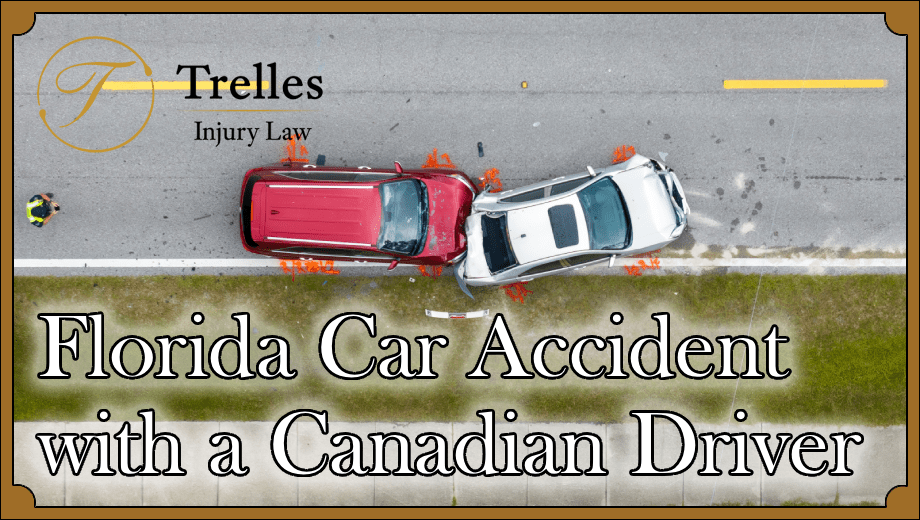
A Florida accident with Canadian involvement can create unexpected legal and insurance challenges for Florida residents. When a Canadian driver, tourist, or seasonal visitor is involved in a crash or injury-causing incident, questions about insurance coverage, jurisdiction, and responsibility often arise. Florida residents may wonder whether different rules apply when the at-fault party is from another country. Understanding how Florida law handles accidents involving foreign visitors is essential to protecting your health, legal rights, and financial recovery after an accident.
Understanding a Florida Accident With a Canadian
A florida accident with canadian involvement presents unique legal considerations that may not exist in accidents between Florida residents. While Florida personal injury laws still apply, factors such as international insurance policies, residency status, and the Canadian party returning home can affect how a claim unfolds. For Florida victims, knowing how these cross-border issues work can help avoid costly mistakes and delays when pursuing compensation.
Table of Contents
- Understanding a Florida Accident With a Canadian
- What Qualifies as a Florida Accident With a Canadian
- Common Accidents Involving Canadians in Florida
- Why Florida Law Applies to Canadian Visitors
- Medical Care Considerations After the Accident
- Insurance Issues After a Florida Accident With a Canadian
- Who May Be Liable in Cross-Border Accidents
- Comparative Negligence in Florida
- Challenges When the Canadian Party Leaves Florida
- How Trelles Injury Law Can Help You
What Qualifies as a Florida Accident With a Canadian
A florida accident with canadian involvement occurs when a Florida resident is injured and the other party is a Canadian citizen or resident. This may include vehicle collisions, pedestrian accidents, or incidents on commercial or residential property. The defining factor is not citizenship, but the fact that the at-fault party is visiting or temporarily staying in Florida.
For Florida residents, these accidents raise immediate questions about whether standard insurance and legal processes still apply. In most cases, Florida law governs the claim because the accident occurred within the state. However, international factors can influence how responsibility and compensation are pursued.
Common Accidents Involving Canadians in Florida
Florida attracts Canadian tourists and seasonal visitors year-round. As a result, Florida residents may encounter Canadian drivers, renters, and visitors in everyday settings. Accidents often occur in situations where unfamiliarity with local traffic laws or conditions plays a role.
- Motor vehicle crashes involving rental or personal vehicles
- Pedestrian accidents in tourist-heavy areas
- Collisions involving bicycles or scooters
- Incidents on private or commercial property
When these accidents occur, Florida residents may face added complexity if the Canadian party leaves the country soon after. Acting quickly can help preserve critical evidence and protect a potential claim.
Why Florida Law Applies to Canadian Visitors
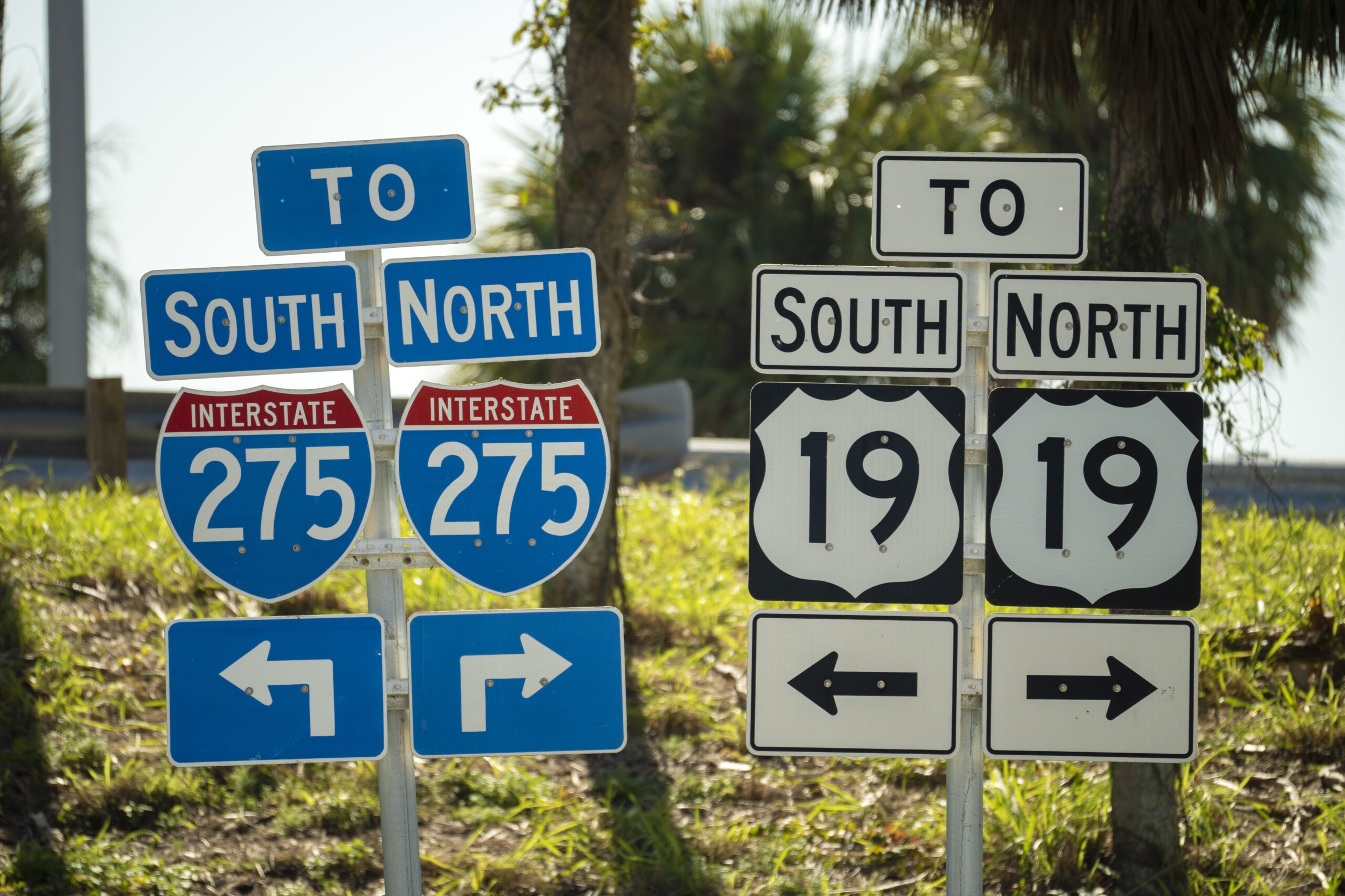
Florida law applies to accidents that happen within the state, even when the at-fault party is from another country. Courts generally focus on where the incident occurred rather than the nationality of those involved. This means Florida residents typically pursue claims under Florida personal injury law.
This legal framework benefits local victims by keeping claims within a familiar legal system. However, international insurance policies and enforcement issues may still arise. Understanding this distinction helps Florida residents avoid assumptions that could delay compensation.
Medical Care Considerations After the Accident
After an accident, Florida residents often focus on medical treatment and recovery. While the injured Floridian receives care locally, issues may arise when the at-fault Canadian’s insurance questions treatment costs or coverage limits.
- Emergency medical treatment and hospital care
- Follow-up visits with doctors or specialists
- Physical therapy or rehabilitation services
- Medical records needed for insurance claims
Medical documentation plays a key role in proving injury-related damages. Florida residents should keep copies of all treatment records and bills to support their claim.
Insurance Issues After a Florida Accident With a Canadian
Insurance issues are often the most challenging part of a Florida accident with Canadian involvement. The Canadian party may be insured through a Canadian auto policy, a rental agreement, or travel-related coverage. These policies do not always align with Florida insurance standards.
Florida residents may encounter delays, coverage disputes, or confusion over policy limits. Understanding how these insurance systems interact can help prevent unexpected gaps and protect your ability to recover damages.
Who May Be Liable in Cross-Border Accidents
Liability depends on who acted negligently. The Canadian party may be responsible if their actions caused the accident. In some cases, additional parties such as vehicle owners, rental companies, or property owners may share responsibility.
Florida law evaluates liability based on evidence, including police reports, witness statements, and physical damage. The at-fault party’s nationality does not reduce their legal responsibility.
Comparative Negligence in Florida
Florida follows a comparative negligence system, meaning fault can be divided between parties. If a Florida resident is partially responsible, compensation may be reduced proportionally. This rule applies even when the other party is from another country.
Insurance companies often examine actions taken before and during the accident. Statements, photos, and reports can influence how fault is assigned. Understanding this system helps Florida residents avoid statements that could weaken their claim.
Challenges When the Canadian Party Leaves Florida
One of the biggest challenges for Florida residents occurs when the Canadian party returns home shortly after the accident. Once the at-fault individual leaves the United States, communication can become more difficult and less predictable. Time zone differences, limited responsiveness, and reliance on third parties often slow the claims process. This situation may also make it harder to clarify facts or resolve disputes efficiently.
- Difficulty obtaining follow-up statements or clarifications from the Canadian party
- Delays caused by international insurance carriers unfamiliar with Florida law
- Limited access to the at-fault party for additional documentation or testimony
- Jurisdictional and enforcement concerns when parties reside in different countries
Insurance companies may also use the international nature of the claim as a reason to slow negotiations or request additional documentation. Evidence such as photographs, witness statements, and accident reports becomes especially important when direct access to the at-fault party is limited. Despite these challenges, claims can still move forward. Acting quickly, preserving evidence, and staying organized helps Florida residents protect their rights and maintain momentum in the legal process.
How Trelles Injury Law Can Help You

- Expertise: Access to experienced attorneys specializing in personal injury cases.
- Negotiation: Skilled negotiators who strive to maximize settlement offers.
- Guidance: Comprehensive support and guidance through the legal and claims process.
- Representation: Legal representation if required, ensuring your rights are protected.
- Resources: Utilization of resources and networks to build a robust case.
At Trelles Injury Law, we understand how overwhelming it can feel after an accident involving a Canadian visitor. Medical treatment, insurance complications, and cross-border issues can quickly add stress during an already difficult time. When you are injured by a non-U.S. resident, knowing how Florida law applies is critical to protecting your recovery.
Contact us today for a free consultation to discuss your situation, understand your legal options, and take the next step toward pursuing fair compensation. Our team is here to help you navigate the process with clarity, professionalism, and care.

Fluent in both English and Spanish, Ms. Trelles has been representing the injured in Palm Beach County for more than 3 decades. She focuses her practice in all areas of personal injury, wrongful death, and premises liability. A native of Tampa, Florida and of Cuban descent, Ms. Trelles earned her Bachelor’s Degree from the University of Florida in 1988 and her Juris Doctorate Degree from the University of Florida College of Law in 1991. She was admitted to the Florida Bar in 1992 and is admitted to practice in the State Courts of Florida, U.S. District Court, and Northern and Middle Districts of Florida. Ms. Trelles has successfully tried numerous personal injury cases and has secured several multi-million dollar verdicts for her clients. Through years of experience, Ms. Trelles has become a powerful advocate for victims’ rights in Palm Beach County and throughout Florida. More about Yvette Trelles, Esq.
Related Post
Free Consultation Form
We have vast experience in every type of accident case.
Give Us the details, and we will tell you how we can help.