A slip or trip and fall can happen quickly, but the conditions that caused it may have existed long before the accident. Wet floors, uneven walkways, poor lighting, loose mats, and cluttered areas can all create serious hazards. After a fall, knowing what dangers to look for can help protect your health and preserve important evidence. Taking photos, reporting the incident, and documenting what happened can also support a potential injury claim.
Why Conditions Matter After a Slip or Trip and Fall
Dangerous property conditions can play a major role in a slip or trip and fall accident. Property owners may be responsible when they fail to fix known hazards or warn visitors about unsafe areas. Identifying the condition that caused the fall is important because it helps explain how the accident happened. The sooner these details are documented, the harder it may be for the hazard to be cleaned, repaired, or denied later.
Table of Contents
Wet or Slippery Floors
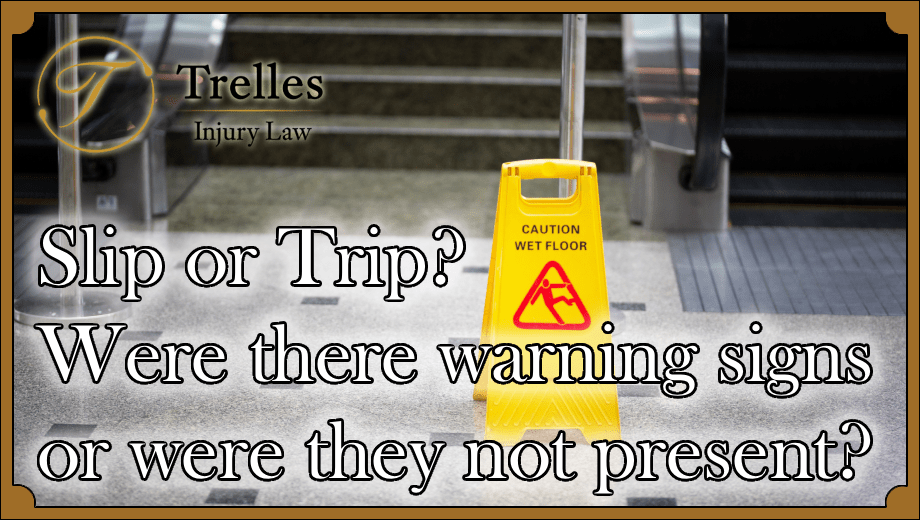
Wet or slippery floors are one of the most common causes of slip and fall accidents. Spills, recently mopped floors, rainwater near entrances, and leaking equipment can all create unsafe walking surfaces. When property owners fail to clean these hazards or place warning signs, visitors may be placed at risk.
After a fall, look around for visible moisture, puddles, tracked-in water, or missing warning signs. If possible, take photos before the area is cleaned. These details can help show that the dangerous condition existed at the time of the accident.
Uneven Walkways and Cracked Pavement
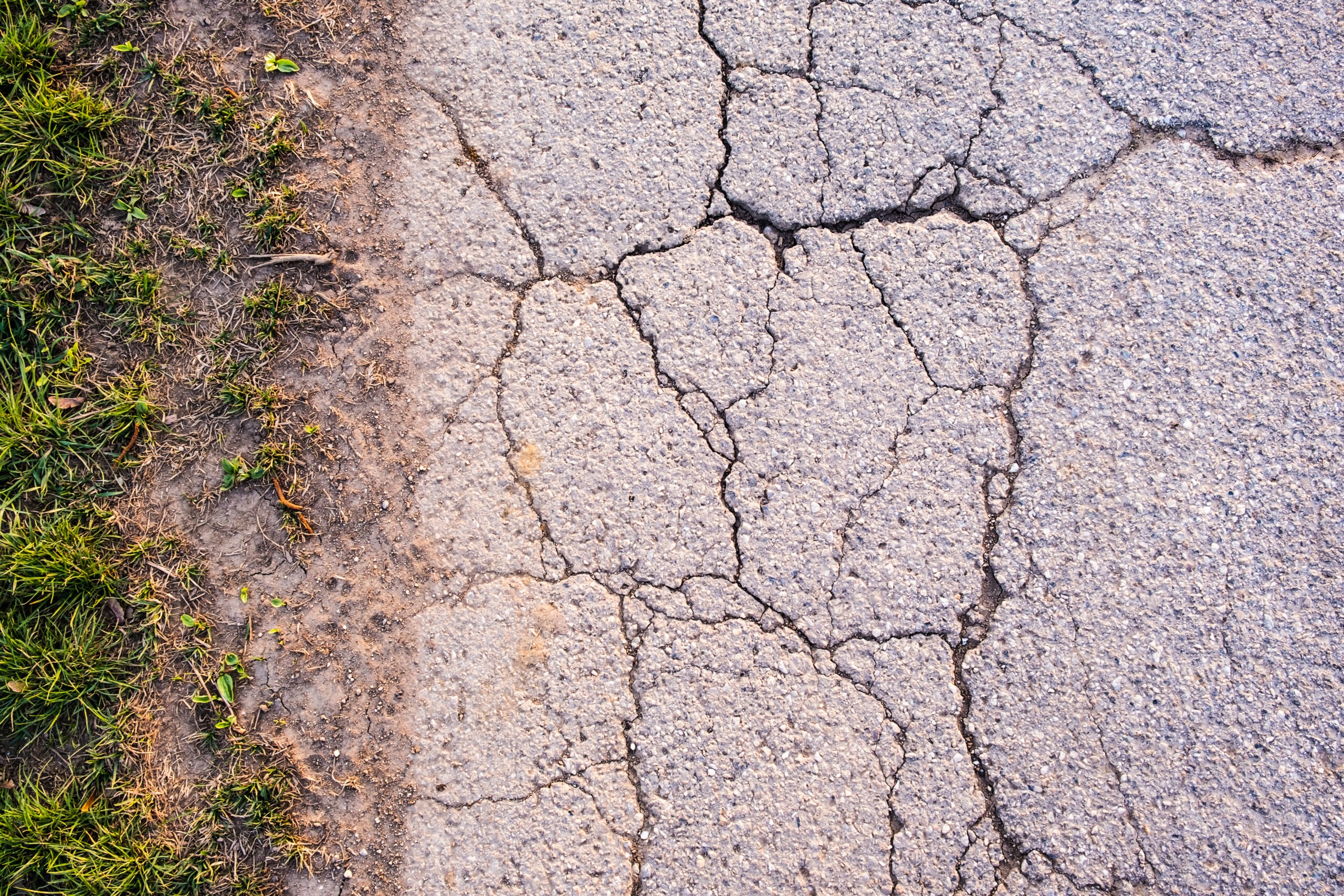
Trips often happen because of uneven flooring, cracked pavement, raised sidewalks, or broken walkways. These hazards may be easy to miss, especially in busy areas or places with poor visibility. Even a small height difference can cause someone to lose balance and fall.
- Raised sidewalk edges
- Cracked parking lots
- Broken tiles or flooring
- Uneven transitions between surfaces
Documenting the exact location of the defect is important. Photos from different angles can help show the size, depth, and visibility of the hazard that caused the trip.
Poor Lighting and Hidden Hazards
Poor lighting can make dangerous conditions much harder to see. Dim hallways, dark stairwells, poorly lit parking lots, and shadowed walkways can increase the risk of a fall. When lighting is inadequate, visitors may not have enough time to notice hazards in their path.
Hidden hazards can also include objects that blend into the floor, changes in elevation, or obstacles placed where people normally walk. Property owners should maintain safe lighting and keep walking areas visible. If lighting played a role in your fall, note the time of day and take photos showing how the area appeared.
Loose Mats, Rugs, and Flooring
Loose mats, rugs, and damaged flooring can create serious tripping hazards. Entry mats may curl at the edges, rugs may slide without proper backing, and loose flooring may shift unexpectedly underfoot. These conditions can be especially dangerous in stores, offices, apartment buildings, and restaurants.
- Curling rug corners
- Loose floorboards or tiles
- Unsecured entrance mats
- Wrinkled carpeting in walkways
If a loose mat or flooring issue caused your fall, try to document how the material was positioned before it is moved. Photos, witness statements, and incident reports can help preserve details that may later become important.
Cluttered Walkways and Obstructions
Walkways should remain clear and safe for visitors, but cluttered areas can quickly become dangerous. Boxes, cords, merchandise, cleaning equipment, and other obstacles placed in walking paths may increase the risk of a trip and fall accident. In busy environments, these hazards may be difficult to notice until it is too late.
Property owners and businesses are generally expected to maintain reasonably safe walkways for customers and guests. When items are left in high-traffic areas without warning, serious injuries can occur. If an obstruction caused your fall, documenting the exact placement of the object may help show how the accident happened.
Photographs, witness information, and details about the surrounding area can all help preserve important evidence after a fall.
Why Taking Pictures Matters
Taking pictures after a slip or trip and fall accident can help preserve evidence before conditions change. Hazards are often cleaned, repaired, or removed shortly after an incident occurs. Without photographs, it may become more difficult to show what caused the fall.
Pictures should focus on the dangerous condition itself as well as the surrounding area. Capturing warning signs, lighting conditions, floor surfaces, and visible injuries may help create a more complete record of the scene. Photos taken from multiple angles can also help demonstrate how visible the hazard was at the time of the accident.
Documenting the scene early can help strengthen your understanding of what happened and preserve details that may later become important.
Making a Report After a Fall
Reporting a slip or trip and fall accident as soon as possible is an important step after an injury occurs. Informing a manager, property owner, or employee creates a record that the incident happened. Without a report, businesses or property owners may later argue that they were never notified about the accident.
When making a report, it is important to describe what happened clearly and accurately. Providing basic facts about the hazard, location, and injuries can help create documentation while the details are still fresh. If possible, request a copy of the report or ask how the incident was documented.
Taking this step can help preserve information that may become valuable later during an insurance claim or legal dispute.
Protecting Your Rights After a Slip or Trip and Fall
After a slip or trip and fall accident, taking prompt action can help protect both your health and your legal rights. Seeking medical attention, documenting the scene, and reporting the incident are all important steps that may affect the outcome of a claim.
insurance companies and property owners may question how the fall occurred or whether the hazard was dangerous enough to cause injury. Preserving evidence early can help reduce disputes and support a clearer understanding of the accident.
By identifying dangerous conditions and carefully documenting what happened, injured individuals can better protect their ability to pursue fair compensation after a fall.
How Trelles Injury Law Can Help You

- Investigating Dangerous Conditions: Reviewing the accident scene, property conditions, and available evidence to identify what caused the fall.
- Preserving Important Evidence: Helping gather photographs, incident reports, witness information, and medical records related to the accident.
- Handling Insurance Companies: Communicating with insurers and property owners to challenge attempts to minimize or deny your claim.
- Building a Strong Case: Organizing documentation and supporting evidence to strengthen your slip or trip and fall claim.
- Pursuing Compensation: Working to recover damages for medical expenses, lost income, pain, and other accident-related losses.
At Trelles Injury Law, we understand how overwhelming a slip or trip and fall accident can feel. Injuries caused by dangerous property conditions may lead to medical expenses, missed work, and uncertainty about what to do next. Knowing how to document the accident and identify unsafe conditions is an important step toward protecting your rights.
Contact us today for a free consultation to discuss your situation, review the circumstances of your fall, and explore your legal options. Our team is here to help you navigate the process with clarity, professionalism, and care while pursuing the compensation you deserve.

Fluent in both English and Spanish, Ms. Trelles has been representing the injured in Palm Beach County for more than 3 decades. She focuses her practice in all areas of personal injury, wrongful death, and premises liability. A native of Tampa, Florida and of Cuban descent, Ms. Trelles earned her Bachelor’s Degree from the University of Florida in 1988 and her Juris Doctorate Degree from the University of Florida College of Law in 1991. She was admitted to the Florida Bar in 1992 and is admitted to practice in the State Courts of Florida, U.S. District Court, and Northern and Middle Districts of Florida. Ms. Trelles has successfully tried numerous personal injury cases and has secured several multi-million dollar verdicts for her clients. Through years of experience, Ms. Trelles has become a powerful advocate for victims’ rights in Palm Beach County and throughout Florida. More about Yvette Trelles, Esq.
Related Post
Free Consultation Form
We have vast experience in every type of accident case.
Give Us the details, and we will tell you how we can help.