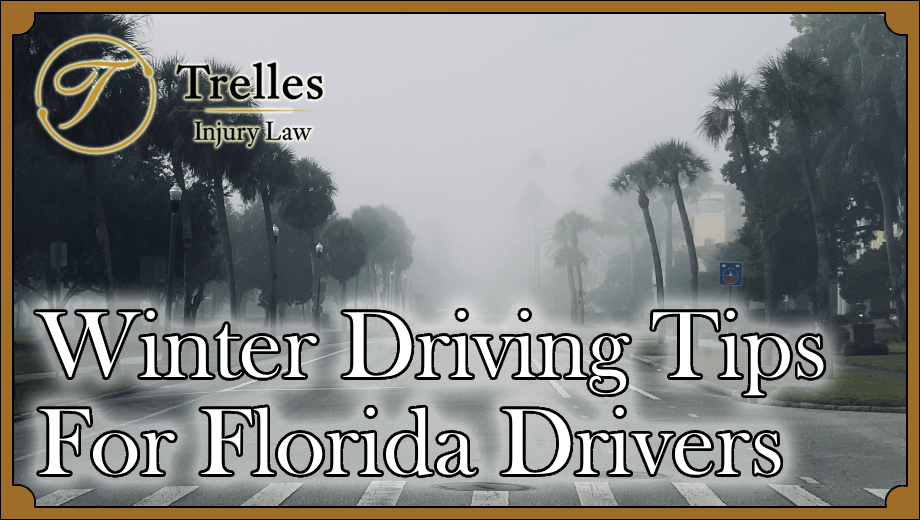
Winter driving tips for Florida drivers are often overlooked because the state rarely experiences snow or ice. However, even with colder temperatures, reduced daylight, fog, and unexpected weather changes, dangerous driving conditions can still occur. Florida drivers may not expect winter-related hazards, but seasonal shifts can increase the risk of accidents, especially during early mornings and overnight hours. Understanding how winter weather affects Florida roads helps drivers stay alert, prepared, and safer behind the wheel.
Why Winter Driving Tips Matter for Florida Drivers
Even without snowstorms or icy highways, winter driving presents real challenges in Florida. Colder mornings can lead to slick bridges, reduced tire traction, and limited visibility from fog or condensation. Shorter daylight hours also increase nighttime driving, when visibility issues and fatigue are more common. Following winter driving tips florida drivers can rely on helps reduce accident risks during these seasonal changes.
Table of Contents
- Why Winter Driving Tips Matter for Florida Drivers
- How Winter Weather Affects Florida Roads
- Common Winter Driving Risks in Florida
- Vehicle Preparation for Winter Driving in Florida
- Visibility and Night Driving During Winter
- Safe Driving Habits During Florida Winters
- How Winter Driving Conditions Increase Accident Risk
- What to Do After a Winter Driving Accident
- Preventing Winter Driving Accidents in Florida
- How Trelles Injury Law Can Help You
How Winter Weather Affects Florida Roads
Winter weather in Florida looks very different from colder states, but it can still affect road conditions in ways many drivers do not expect. Cooler overnight temperatures may cause condensation to form on bridges, overpasses, and shaded roadways. In some cases, this moisture can create slick road surfaces during early morning hours.
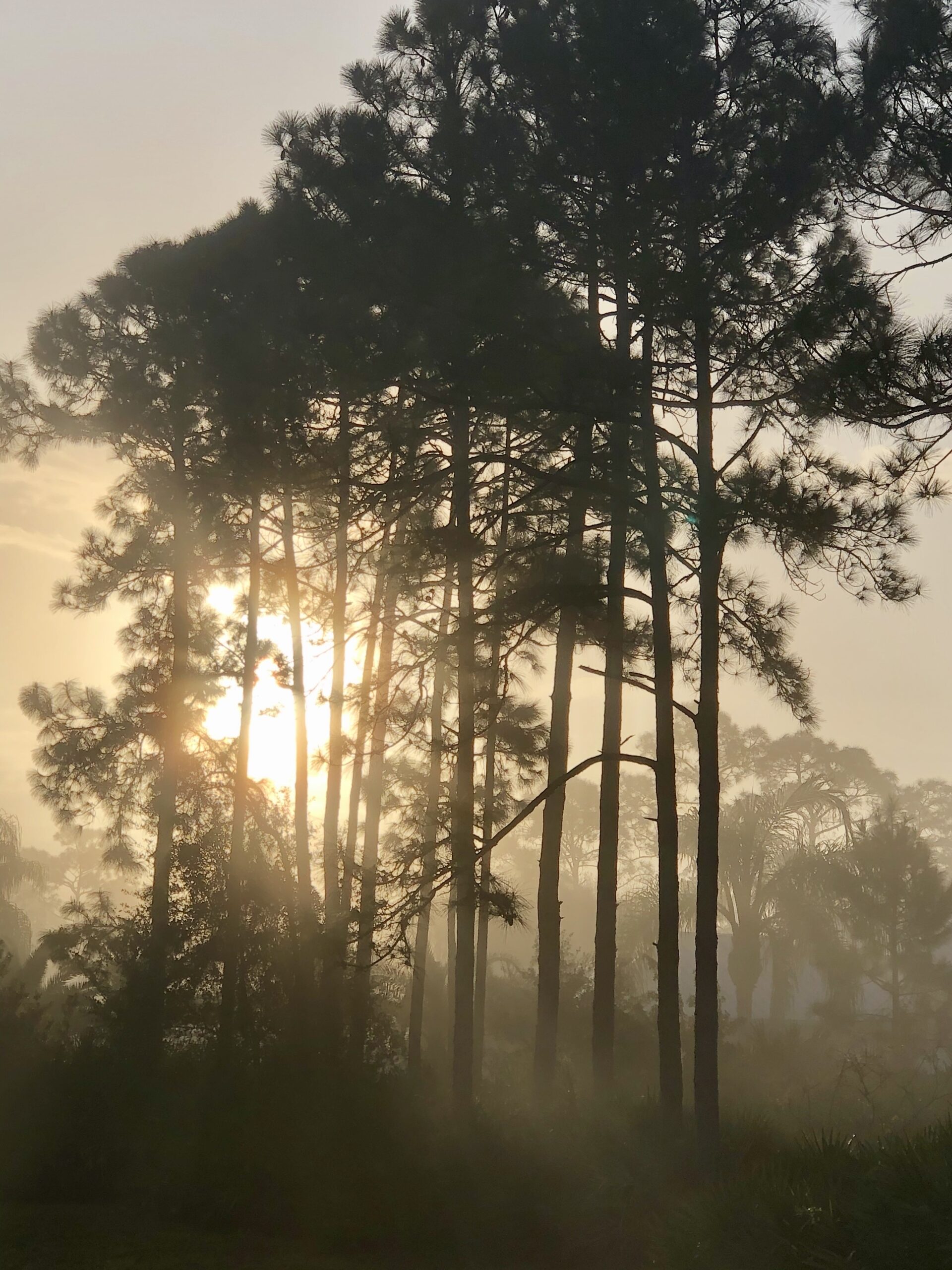
Fog is another common winter issue across many parts of Florida. Dense fog can develop quickly, especially near coastal areas, lakes, and rural roads. Reduced visibility makes it harder to see other vehicles, pedestrians, or obstacles in time to react. Understanding these seasonal effects helps drivers stay more aware and cautious.
Common Winter Driving Risks in Florida
Florida drivers may not associate winter with increased accident risks, but several seasonal factors contribute to collisions. Shorter daylight hours mean more driving occurs in low-light or dark conditions. Morning fog and glare from low sun angles can also limit driver visibility.
- Reduced visibility from fog or condensation
- Slick roads during early morning hours
- Increased nighttime driving due to shorter days
- Driver fatigue during holiday travel periods
These risks are often underestimated because winter conditions in Florida appear mild. Staying alert and adjusting driving habits during colder months can reduce the likelihood of accidents caused by unexpected hazards.
Vehicle Preparation for Winter Driving in Florida
Preparing your vehicle for winter driving is just as important in Florida as it is elsewhere, even without snow. Cooler temperatures can affect tire pressure, battery performance, and fluid levels. Regular maintenance helps ensure your vehicle responds properly in changing weather conditions.
Drivers should check tire tread and inflation, test headlights and brake lights, and ensure windshield wipers are functioning correctly. Visibility becomes especially important during fog or early morning drives. Keeping your vehicle in good condition reduces the risk of breakdowns or delayed reaction times.
Visibility and Night Driving During Winter
Winter months bring longer nights and lower sun angles, both of which can affect visibility for Florida drivers. Driving in the dark increases the chances of missing hazards such as stopped vehicles, pedestrians, or animals crossing the road.
- Ensure headlights are clean and properly aligned
- Reduce speed when visibility is limited
- Use low beams in foggy conditions
- Increase the following distance at night
Adjusting driving behavior during low-visibility conditions helps drivers respond more effectively to sudden changes and improves overall road safety.
Safe Driving Habits During Florida Winters
Adopting safe driving habits during Florida’s winter months can significantly reduce accident risks. Even when conditions appear normal, colder weather and seasonal changes require extra attention. Drivers should slow down during early morning hours when roads may be slick and visibility is reduced.
Maintaining a safe following distance allows more time to react if another vehicle stops suddenly. Avoiding distractions and staying alert becomes especially important during winter travel periods, when traffic patterns may change due to tourism and holiday travel. Practicing defensive driving helps Florida drivers respond safely to unexpected hazards.
Simple adjustments to speed, awareness, and patience can make a noticeable difference in preventing winter-related collisions.
How Winter Driving Conditions Increase Accident Risk
Winter driving conditions in Florida can increase accident risk by affecting how drivers react and make decisions on the road. Reduced daylight, glare from low sun angles, and heavier holiday traffic often combine to limit reaction time. Drivers may misjudge distances, overlook hazards, or fail to anticipate sudden stops.
- Reduced reaction time due to low light or sun glare
- Misjudging speed or stopping distance in cooler conditions
- Increased traffic during holiday and seasonal travel
- Driver fatigue during early morning or nighttime driving
Unlike road-surface issues, these risks are tied to awareness and behavior. Adjusting speed, increasing following distance, and staying alert during winter months can significantly reduce the likelihood of an accident. Recognizing how seasonal conditions influence driver behavior helps Florida motorists make safer choices behind the wheel.

What to Do After a Winter Driving Accident
If you are involved in a winter driving accident in Florida, taking the right steps can protect your safety and your ability to pursue compensation. Checking for injuries and seeking medical attention should always come first, even if injuries appear minor.
Drivers should report the accident, document the scene, and, if possible, gather contact information from witnesses. Weather-related factors should also be noted, as they may help explain how the accident occurred. Keeping records of medical treatment and vehicle damage supports any future insurance or legal claims.
Preventing Winter Driving Accidents in Florida
Preventing winter driving accidents in Florida starts with awareness and preparation. While winter weather may be mild, seasonal changes still affect road conditions and driver behavior. Staying informed about weather forecasts and adjusting travel plans when conditions are poor can help reduce risks.
Regular vehicle maintenance, cautious driving habits, and avoiding unnecessary travel during foggy or low-visibility periods all contribute to safer roads. By following practical winter driving tips, Florida drivers can reduce their risk of an accident.
How Trelles Injury Law Can Help You

- Expertise: Access to experienced attorneys specializing in personal injury cases.
- Negotiation: Skilled negotiators who strive to maximize settlement offers.
- Guidance: Comprehensive support and guidance through the legal and claims process.
- Representation: Legal representation if required, ensuring your rights are protected.
- Resources: Utilization of resources and networks to build a robust case.
At Trelles Injury Law, we understand how stressful it can be to deal with the aftermath of a winter driving accident in Florida. Reduced visibility, slick roads, and seasonal driving hazards can lead to unexpected injuries and insurance questions. Knowing how Florida law applies after a winter-related accident is an important step toward protecting your recovery.
Contact us today for a free consultation to discuss what happened, explore your legal options, and understand the next steps available to you. Our team is here to help you navigate the process with clarity, professionalism, and care.

Fluent in both English and Spanish, Ms. Trelles has been representing the injured in Palm Beach County for more than 3 decades. She focuses her practice in all areas of personal injury, wrongful death, and premises liability. A native of Tampa, Florida and of Cuban descent, Ms. Trelles earned her Bachelor’s Degree from the University of Florida in 1988 and her Juris Doctorate Degree from the University of Florida College of Law in 1991. She was admitted to the Florida Bar in 1992 and is admitted to practice in the State Courts of Florida, U.S. District Court, and Northern and Middle Districts of Florida. Ms. Trelles has successfully tried numerous personal injury cases and has secured several multi-million dollar verdicts for her clients. Through years of experience, Ms. Trelles has become a powerful advocate for victims’ rights in Palm Beach County and throughout Florida. More about Yvette Trelles, Esq.
Related Post

Free Consultation Form
We have vast experience in every type of accident case.
Give Us the details, and we will tell you how we can help.