Commercial trucking risk management plays a critical role in reducing accidents and protecting both drivers and the public. The trucking industry operates under strict safety regulations because commercial vehicles are large, powerful, and capable of causing significant damage when something goes wrong. Risk management strategies help trucking companies identify hazards, improve safety practices, and reduce the likelihood of serious crashes.
Why Commercial Trucking Risk Management Is Important
Commercial trucking companies face a unique set of risks every day. Long driving hours, heavy cargo, road conditions, and vehicle maintenance all contribute to the complexity of operating large commercial vehicles. Effective risk management helps companies monitor these factors and create procedures that promote safer operations. By focusing on prevention, trucking companies can reduce accidents, improve compliance with safety regulations, and protect drivers and other motorists on the road.
Table of Contents
- Why Commercial Trucking Risk Management Is Important
- Common Risks in Commercial Trucking
- Driver Training and Safety Protocols
- Vehicle Maintenance and Inspections
- Technology Used for Risk Management
- Regulatory Compliance and Safety Rules
- How Risk Management Reduces Accidents
- Liability After a Commercial Truck Accident
- Improving Road Safety Through Prevention
- How Trelles Injury Law Can Help You
Common Risks in Commercial Trucking
Commercial trucking involves unique operational risks that do not exist in most other types of driving. Large vehicles require longer stopping distances, wider turns, and careful handling when carrying heavy cargo. When combined with highway speeds and long distances, these factors can create situations where small mistakes quickly become serious incidents.
Driver fatigue is one of the most common concerns in the trucking industry. Long hours on the road can reduce reaction time and increase the likelihood of errors. Weather conditions, traffic congestion, and mechanical problems can further complicate driving conditions. Because trucks often travel across multiple states, drivers must constantly adjust to changing road environments.
Understanding these risks is a central part of commercial trucking risk management. By identifying potential hazards before they lead to accidents, companies can develop safety practices that protect drivers and the public.
Driver Training and Safety Protocols
Driver training is one of the most important elements of risk management in the trucking industry. Proper training helps drivers learn to operate large vehicles safely and respond to unexpected road conditions. Companies that prioritize safety typically implement structured training programs for new drivers and ongoing education for experienced operators.
- Defensive driving techniques for large commercial vehicles
- Understanding cargo weight and load distribution
- Managing fatigue and recognizing warning signs
- Responding to emergencies and hazardous road conditions
In addition to training, many companies develop internal safety protocols that guide daily operations. These procedures may include reporting requirements, regular safety meetings, and monitoring driver performance. Together, these practices help build a safety-focused culture that supports long-term accident prevention.

Vehicle Maintenance and Inspections
Vehicle condition plays a significant role in preventing commercial trucking accidents. Because trucks travel long distances and carry heavy loads, even minor mechanical problems can quickly become serious safety concerns. Routine maintenance and inspections are essential to ensuring that vehicles remain safe to operate.
Regular maintenance checks allow companies to identify worn components, damaged equipment, or other mechanical issues before they cause problems on the road. Brake systems, tires, lighting, and steering components must all be inspected frequently to ensure proper performance.
Strong maintenance programs also help companies remain compliant with federal and state transportation regulations. By prioritizing mechanical safety, trucking companies reduce the risk of breakdowns, equipment failures, and preventable accidents.
Technology Used for Risk Management
Modern technology has become an important tool for managing risk in commercial trucking operations. Many companies now rely on digital monitoring systems to track driver behavior, vehicle performance, and road conditions in real time. These systems help identify safety concerns before they escalate into serious incidents.
- Electronic logging devices that track driver hours
- GPS monitoring systems for route and location tracking
- Dash cameras that record driving conditions
- Telematics systems that monitor speed and braking behavior
These technologies allow companies to evaluate performance data and make improvements where needed. When used responsibly, safety monitoring tools can support better decision-making and strengthen overall transportation safety.
Regulatory Compliance and Safety Rules
Commercial trucking companies operate under strict safety regulations designed to reduce accidents and protect public roadways. Federal and state transportation agencies establish rules that govern driver qualifications, hours of service, vehicle maintenance, and cargo handling. These regulations help ensure that commercial vehicles are operated safely and responsibly.
Compliance with these rules is a key component of effective risk management. Companies must maintain accurate records, monitor driver hours, and ensure that vehicles meet required safety standards. Failure to follow these regulations can lead to penalties, operational restrictions, and increased liability in the event of an accident.
By adhering to regulatory requirements and maintaining clear safety policies, trucking companies can strengthen their operational safety while reducing the likelihood of preventable incidents.
How Risk Management Reduces Accidents
Risk management strategies help trucking companies identify potential safety concerns before they lead to accidents. When companies regularly evaluate driver performance, vehicle condition, and operational procedures, they can detect patterns that indicate emerging risks.
Proactive safety practices often include reviewing driving data, conducting internal safety audits, and providing additional training when necessary. Addressing these concerns early can help prevent unsafe behaviors or equipment failures from escalating into serious crashes.
Consistent safety oversight helps create a culture where prevention is prioritized. Over time, strong risk management practices contribute to fewer accidents and safer roadways for everyone.
Liability After a Commercial Truck Accident
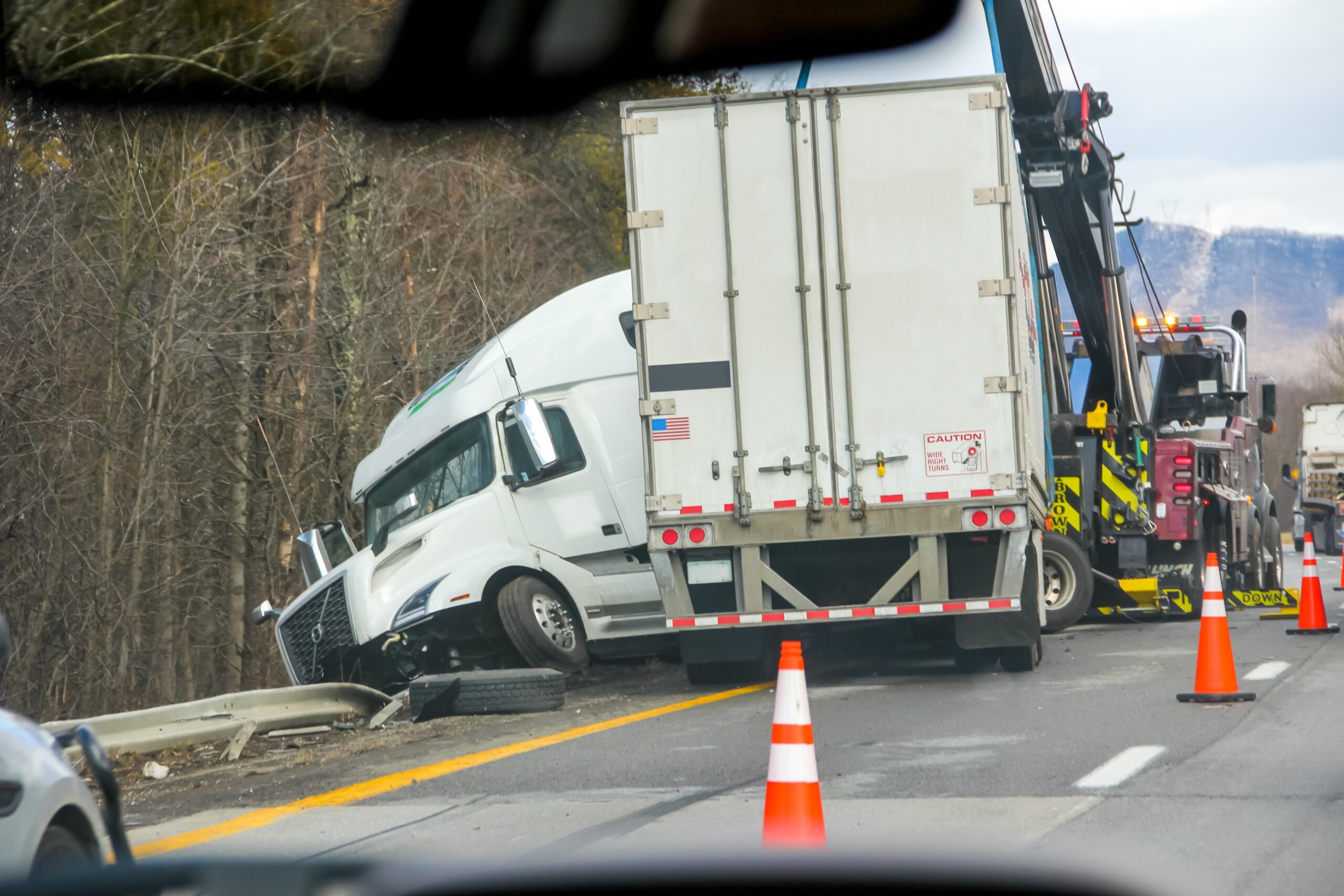
When a commercial truck accident occurs, determining liability can be more complex than in standard vehicle collisions. Multiple parties may be involved, including the truck driver, the trucking company, maintenance providers, or cargo loaders. Each of these parties may play a role in how the accident occurred.
Investigators often review driver logs, maintenance records, and electronic tracking data to determine whether safety procedures were followed. If a trucking company failed to implement reasonable safety practices or ignored known risks, that failure may influence liability in an accident claim.
Understanding how responsibility is evaluated helps illustrate why strong risk management practices are so important within the trucking industry.
Improving Road Safety Through Prevention
Preventing commercial trucking accidents requires a consistent commitment to safety at every level of the industry. From driver training to vehicle inspections, each part of a trucking operation contributes to overall road safety. Companies that prioritize prevention often see improvements not only in accident rates but also in operational efficiency.
Ongoing evaluation of safety procedures allows companies to adapt to new technologies, changing regulations, and evolving road conditions. Continuous improvement helps ensure that risk management strategies remain effective over time.
By focusing on prevention, the trucking industry can reduce the likelihood of serious crashes and promote safer travel for both commercial drivers and everyday motorists.
How Trelles Injury Law Can Help You

- Investigating the Crash: Reviewing driver logs, maintenance records, safety reports, and other trucking data to identify what caused the accident.
- Identifying Responsible Parties: Determining whether the truck driver, trucking company, maintenance provider, or other parties may be liable.
- Handling Insurance Companies: Communicating with trucking insurers and corporate carriers to protect your claim and prevent unfair settlement tactics.
- Building a Strong Case: Gathering evidence, accident reports, and expert analysis to support your claim and strengthen your position.
- Pursuing Compensation: Advocating for full financial recovery for medical expenses, lost income, and other damages after a truck accident.
At Trelles Injury Law, we understand how overwhelming it can feel after a commercial truck accident. Collisions involving large trucks often lead to serious injuries, complex investigations, and disputes over liability. Understanding how trucking safety practices and risk management failures may contribute to an accident is an important step toward protecting your recovery and holding the responsible parties accountable.
Contact us today for a free consultation to discuss your situation, review the circumstances of the crash, and explore your legal options. Our team is here to help you navigate the process with clarity, professionalism, and care while pursuing the compensation you deserve.

Fluent in both English and Spanish, Ms. Trelles has been representing the injured in Palm Beach County for more than 3 decades. She focuses her practice in all areas of personal injury, wrongful death, and premises liability. A native of Tampa, Florida and of Cuban descent, Ms. Trelles earned her Bachelor’s Degree from the University of Florida in 1988 and her Juris Doctorate Degree from the University of Florida College of Law in 1991. She was admitted to the Florida Bar in 1992 and is admitted to practice in the State Courts of Florida, U.S. District Court, and Northern and Middle Districts of Florida. Ms. Trelles has successfully tried numerous personal injury cases and has secured several multi-million dollar verdicts for her clients. Through years of experience, Ms. Trelles has become a powerful advocate for victims’ rights in Palm Beach County and throughout Florida. More about Yvette Trelles, Esq.
Related Post

Free Consultation Form
We have vast experience in every type of accident case.
Give Us the details, and we will tell you how we can help.